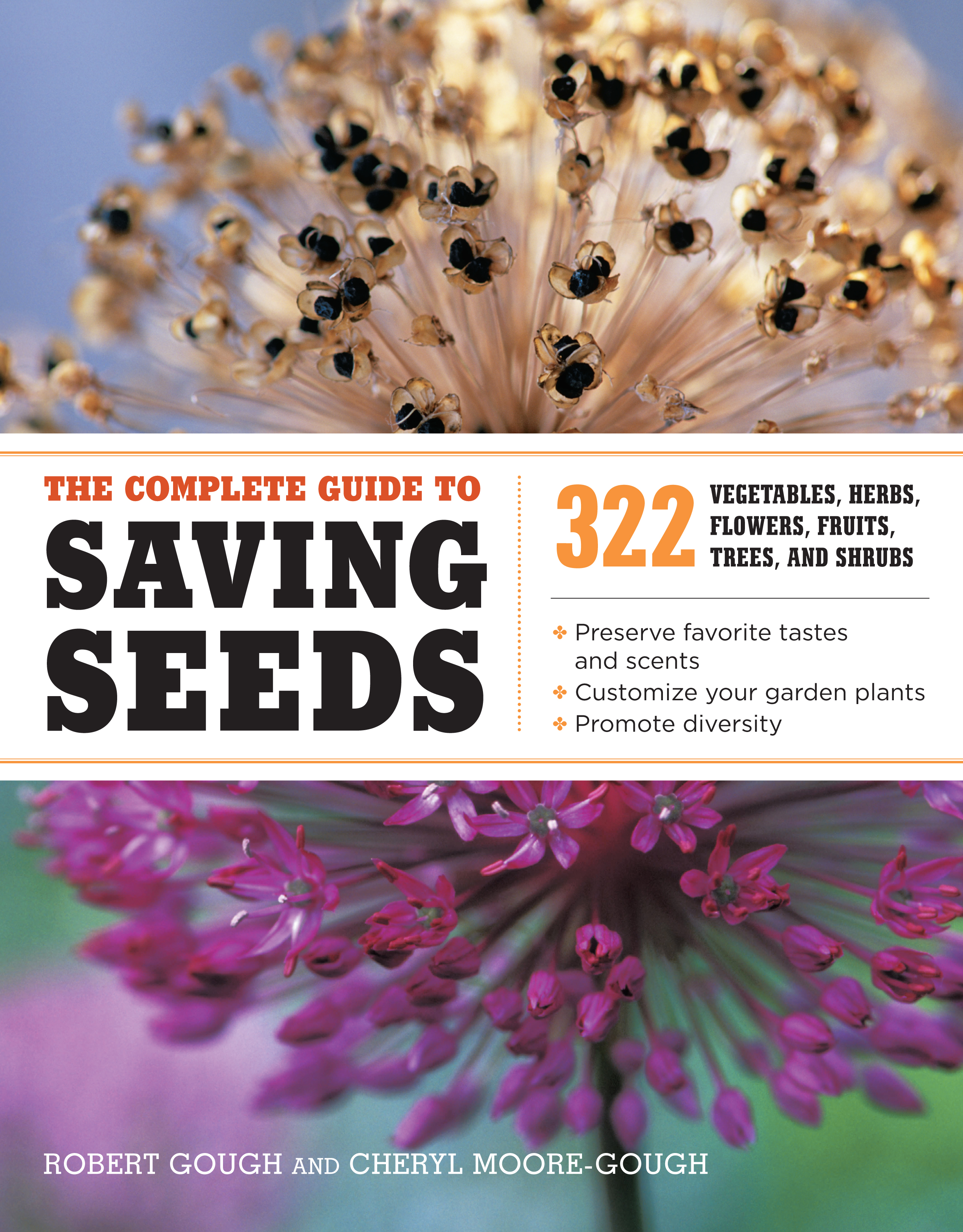
The Resurgence of Seed Libraries: Cultivating Community and Conservation
For centuries, the rhythm of gardening included the vital practice of seed saving. Before the advent of commercial seed companies, gardeners meticulously collected, dried, and stored seeds, passing down resilient varieties through generations. This ancient tradition is experiencing a vibrant revival today, thanks to the growth of community-driven initiatives like seed libraries. These innovative hubs are transforming local libraries, colleges, and community centers into vital resources for gardeners keen on preserving biodiversity and fostering sustainable practices.
A prime example of this movement is the Greenfield Community College (GCC) Seed Library, born in 2015. Library Director Deb Chown, inspired by the concept, envisioned a powerful connection with the college's Science department. The journey from idea to reality, as recalled by retired librarian Hope Schneider, involved securing a modest $500 grant. This initial "seed money" was crucial for essentials like seed envelopes, storage cabinets, instructional materials, and publicity. The GCC library also ingeniously integrated its seed inventory into the CWMars system, with a unique feature: all seeds are automatically checked back in on October 1st, acknowledging that these aren't traditional library items to be returned. Instead, the hope is for members to harvest new seeds from their successful crops and return some to enrich the collection for the next season.
Similarly, the Quogue Library's seed library extends its collection "beyond its roots of just books," championing sustainable gardening with healthy seeds and assistive resources. They offer a diverse rotation of vegetable and flower seeds, allowing visitors to borrow up to two packets (or four per family), fostering direct engagement with gardening. These initiatives underscore a global trend among the Seed Library Gardeners World—a collaborative spirit focused on sharing knowledge and resources to cultivate a greener future.
Establishing such a resource is an investment in community and biodiversity. From the initial funding and organizational efforts to engaging members and managing inventory, each step is critical. For those interested in the operational intricacies or even starting their own, resources like Starting Your Seed Library: Funding, Returns, & Growth offer invaluable guidance. And for gardeners seeking to expand their palette, learning about Discover Diverse Seeds: Borrowing From Your Local Library can open up a world of new varieties.
Why Heirloom & Native Seeds Are Priceless
While any seed saving contributes to a cycle of self-sufficiency, focusing on heirloom and native varieties holds exceptional value, as underscored by the desire of libraries like GCC to collect them. These aren't just seeds; they're living legacies and vital ecological building blocks.
- Heirloom Seeds: These are open-pollinated varieties that have been passed down through generations, typically for at least 50 years, and often much longer. They are valued for their specific traits—unique flavors, disease resistance, adaptability to local climates, and often, compelling stories. As Hope Schneider noted, heirloom seeds frequently "came from someone in the family or have a story," connecting us to our horticultural heritage. Saving heirlooms helps preserve genetic diversity, preventing the loss of traits that could be crucial for future food security in a changing climate. It's a culinary and cultural act of preservation.
- Native Seeds: These are seeds from plants indigenous to a specific region. Native plants are inherently adapted to local soil conditions, rainfall patterns, and temperatures, requiring less intervention (water, fertilizer, pesticides) once established. Beyond their resilience, native plants play a critical role in supporting local ecosystems. They are the foundation of food webs, providing essential habitat and sustenance for native insects, birds, and other wildlife. GCC's work with Tony Reiber, the Soil Instructor, and students to plant extensive pollinator gardens with 21 varieties of wildflowers exemplifies this commitment. Saving native seeds directly supports pollinator populations—bees, butterflies, and other beneficial insects—which are integral to our ecosystem and the pollination of many food crops.
By prioritizing heirlooms and natives, we're not just saving seeds; we're safeguarding history, promoting biodiversity, and building resilient local food systems for the future.
Decoding the Art of Seed Saving: From Plant to Packet
The journey from a flourishing plant to a viable seed packet is a rewarding process that every gardener can master. It might seem daunting, especially when contemplating the vast differences between large sunflower seeds and tiny cardinal flower seeds, but with a few key principles, success is well within reach.
1. Knowing Your Seeds: Open-Pollinated is Key
The cardinal rule of seed saving for future generations is to work with open-pollinated (OP) varieties. OP plants reproduce true to type, meaning the seeds you save will produce plants very similar to the parent plant, provided they haven't cross-pollinated with other varieties. Avoid saving seeds from F1 hybrids, as their offspring (F2 generation) will likely exhibit unpredictable traits due to genetic segregation. Always check your seed packets to ensure your chosen varieties are open-pollinated or heirloom.
2. Identifying Ripe Seeds
Timing is everything. Seeds must be fully mature on the plant before harvesting. For many plants, this means allowing the fruit or flower head to dry and brown on the stalk. Tony Reiber and Hope Schneider's observations of seeds ripening in the GCC pollinator garden highlight this natural process. For example:
- Dry-fruited plants (e.g., beans, peas, lettuce, corn): Pods or heads should be completely dry, brittle, and often yellow or brown.
- Wet-fruited plants (e.g., tomatoes, cucumbers, peppers, squash): The fruit should be overripe, often softer and a deeper color than when you'd pick it for eating.
- Flowers (e.g., sunflowers, zinnias, marigolds): The flower head should be faded and dry, with the seeds easily dislodging. Tiny seeds, like those of cardinal flowers or jewel weed, require careful observation. The sheer delight of pinching a jewel weed seed case and watching it pop open, shooting out its tiny seeds, is a memorable part of the process!
3. Harvesting Techniques
The method of harvesting depends on the type of seed:
- Dry Seeds: For plants like beans, peas, corn, lettuce, or sunflowers, simply snip off the dry pods, heads, or stalks. Place them in a paper bag to fully dry indoors, then gently crush or rub to release the seeds.
- Wet Seeds: For seeds encased in fleshy fruits like tomatoes, cucumbers, or squash, a different process is needed. Scoop out the seeds and pulp into a jar of water. Allow them to ferment for a few days (stirring daily). This fermentation breaks down the gelatinous coating around the seeds, inhibiting disease and encouraging germination. Good seeds will sink to the bottom; bad seeds, pulp, and mold will float. Pour off the top layer, rinse the good seeds thoroughly, and proceed to drying.
4. Cleaning and Drying
Thorough cleaning and drying are paramount to prevent mold and ensure long-term viability. Remove as much chaff (plant debris) as possible. Spread seeds in a single layer on screens, paper plates, or coffee filters in a warm, dry, well-ventilated area away from direct sunlight. This can take anywhere from a few days to several weeks. Seeds should be completely dry and brittle before storage—you should be able to snap larger seeds rather than bend them.
5. Storage for Longevity
Once thoroughly dry, store seeds in airtight containers (glass jars, plastic containers, or sealed envelopes within larger containers) in a cool, dark, and dry location. A refrigerator or freezer can extend viability significantly for many varieties. Always label your containers clearly with the plant variety, date harvested, and location grown. This detailed record-keeping is invaluable for tracking performance year after year.
Overcoming Common Seed Saving Hurdles
While the concept of returning harvested seeds to a local seed library is ideal, Hope Schneider's observation that "The biggest problem is getting people to bring seeds back" highlights common challenges. These often stem from understandable reasons: crop failure, simply forgetting, or a lack of confidence in preparing and storing seeds properly. But these hurdles are surmountable within the supportive ecosystem of the Seed Library Gardeners World.
- Crop Failure: Gardening is an ongoing learning process, and not every crop is a triumph. Acknowledge that failures happen due to weather, pests, or inexperience. Don't let it discourage you. Even partial success can yield some seeds, and the experience gained is invaluable.
- Forgetting: Life gets busy. Combat forgetfulness by incorporating seed collection into your end-of-season gardening routine. Set reminders, keep a dedicated seed-saving kit handy, and make labeling a non-negotiable step immediately after harvesting.
- Lack of Confidence: The history of seed saving stretches back centuries, long before the Shakers began commercially packaging seeds in Watervliet, New York. People successfully saved seeds without formal training. Start with "easy" seeds like beans, peas, lettuce, or tomatoes, which are forgiving and offer quick rewards. Many seed libraries, like Quogue and GCC, offer workshops and resources. Embrace the learning process, and remember that every successful gardener started somewhere.
The spirit of a seed library thrives on generosity and participation. Returning even a small portion of your harvested seeds not only replenishes the library's stock but also strengthens the community, ensuring diverse, locally adapted varieties are available for everyone. Your contribution, no matter how small, fuels the cycle of growth and sharing.
Mastering seed saving for heirloom and native varieties is more than just a gardening skill; it's an act of environmental stewardship, a connection to history, and a contribution to community resilience. By embracing these practices, we empower ourselves and future generations to grow food, support ecosystems, and cultivate a deeper relationship with the natural world. Join the growing ranks of the Seed Library Gardeners World and sow the seeds of a more sustainable future.